What is Freedom Day in Portugal?
Every year on April 25th, the streets of Portugal turn blooming red with carnations tucked into lapels, held in children’s hands, decorating plazas, and sold in shops. Songs are sung, families gather in public squares, and there’s an incredible sense of joy. All of this happens because of Freedom Day (Dia da Liberdade): One of the country’s most cherished national holidays.
However, Freedom Day is more than just a date on the calendar to the people of Portugal. It commemorates the country’s transition from dictatorship to democracy in 1974, known as the Carnation Revolution. And, nearly fifty years later, it’s still a tradition that warrants a celebration.
What exactly is Freedom Day in Portugal? Let’s explore its roots, symbols, and most importantly, how it’s celebrated across the Algarve and the rest of the country today!
Brief historical background
Firstly, when is Freedom Day in Portugal? Well, as mentioned earlier, it’s on April 25th. But why? To truly understand the meaning of Freedom Day, we must look back to Portugal in the mid-20th century. For almost 50 years, the country was ruled by the authoritarian Estado Novo regime, first under António de Oliveira Salazar (1932-1968) and then later Marcelo Caetano (1968-1974).
By the early 1970s, there was widespread discontent among the Portuguese people. This is when a group of young military officers formed the Movimento das Forças Armadas (MFA). Then on April 25th, 1974, they initiated a peaceful coup in Lisbon, which many people quickly supported and took to the streets to show it. At the end of it all, the old regime collapsed, and it was time for a new democratic era for Portugal.
The symbol of the carnation
So what was the symbol of this change? Well, it was a red carnation. And it was all down to a Lisbon restaurant worker called Celeste Caeiro. On the morning of April 25th, 1974, she began handing out red carnations to all the soldiers protesting against the regime, and soon they started to appear on their uniforms, waving in people’s hands and throughout the streets.
It’s that reason why the symbol of the carnation lives on today — almost five decades later, representing peace, solidarity, and liberty.
Other symbols and songs of freedom
Even though the carnation is the most prominent symbol for Freedom Day/Dia da Liberdade, others are well known, including songs, the blue pencil and art that line the streets of Portugal:
- Songs of the revolution: “Grândola, Vila Morena” and “E Depois do Adeus” are played across the country and sung in concerts.
- Blue pencil: Once used to censor newspapers and books under the dictatorship, it now symbolises freedom of expression.
- Murals and public art: Across Lisbon, Porto, and smaller towns, colourful murals commemorate the revolution, such as the one in Bragança, visible from Largo Forte São João de Deus.
Freedom Day celebrations today
The streets, plazas, and homes of Portugal come alive on Freedom Day every year. It’s not just tucked away in history — it’s actively celebrated throughout the country. Carnations pinned to jackets, music played in squares, and happiness all around. It’s magnificent. So what exactly do the celebrations look like? Let’s take a look.
Official ceremonies
The day begins with formal tributes at the Portuguese Parliament (Assembleia da República) in Lisbon. Politicians, leaders, and activists deliver speeches honouring the revolution and covering democracy today. These ceremonies set the tone for respecting history. Some ceremonies & rituals that often take place include:
- Solemn commemorative session in Parliament (Assembleia da República): A formal morning session in the Assembly where leaders from all major political parties give speeches.
- Opening of the Parliament to the public: After the formal session, the Assembly building often opens its doors to visitors, allowing them to explore the corridors and view exhibitions.
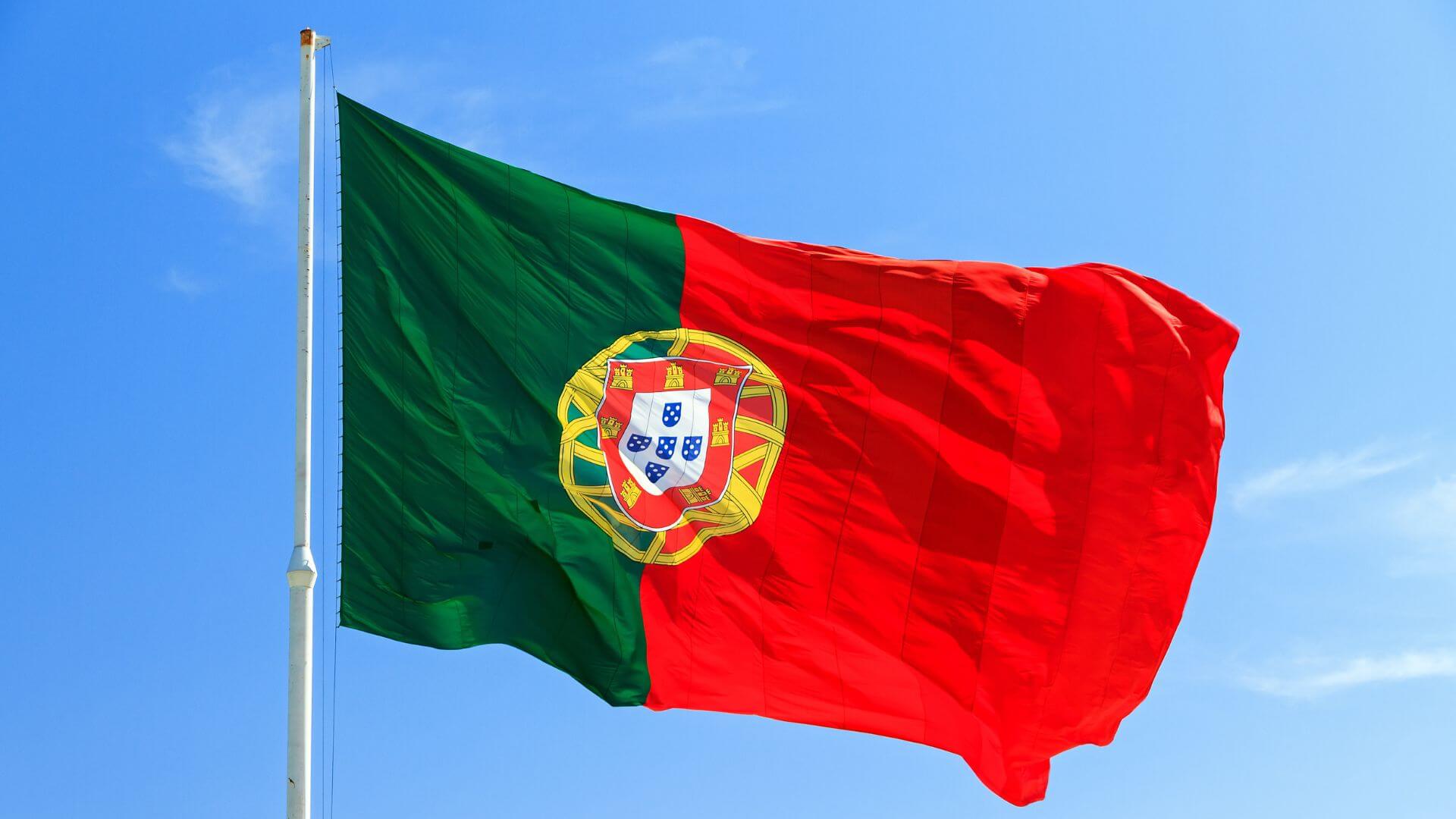
- Flag raising ceremony: Official raising of the Portuguese flag, often in front of government buildings (such as town halls or São Bento Palace)
- Institutional honours & decorations: Decorations or symbols (like red carnations) are used in parliamentary chambers, balconies, or other official spaces.
Nationwide festivities
All across the country, the holiday comes alive with a range of incredible events and celebrations. From marches to music concerts and lots more, plenty is going on up and down the country — and that includes the Algarve too!
Parades and marches
In the Algarve, towns and cities hold marches. In Faro, the Marcha da Liberdade weaves through the streets, often led by local brass bands and community choirs. It transforms the city centre into a living stage of memory.
In the northern regions of Portugal, like Lisbon, Avenida da Liberdade becomes a sea of people waving flags and holding carnations. At the same time, Porto’s Avenida dos Aliados fills with chants, banners, and music.
Music and concerts
Music has always been central to Freedom Day, especially the intervention songs that were once banned. Today, they are sung freely, alongside modern Portuguese hits. You’ll find lots of parks and plazas that host free concerts as part of the celebrations.
In Lagos, the “Vozes da Liberdade” concert fills Praça Gil Eanes with orchestral music and revolutionary songs, inviting the public to sing along. In Faro, shows are sometimes organised. For example, in their 2025 celebrations, singer Diogo Piçarra was involved, as was the Orquestra do Algarve for part of Ópera de Abril.
Educational exhibitions
Some of the largest cultural institutions also play a significant role in every celebration. For example, in Portimão, exhibitions are sometimes held, as in 2024, at Casa Manuel Teixeira Gomes, which showcased 50 unpublished images highlighting democracy over 50 years to commemorate the half-century anniversary.
Faro occasionally organises theatrical performances for children, allowing them to get involved and better understand the story of freedom. Other areas of Portugal include Lisbon, where special exhibitions are held at the Museu do Aljube, such as the ‘Before Being Independent, It Was a Struggle For Liberation’, which was curated and designed by Rita Rato.
Family activities
Family and community play a major role in the celebrations. After all, some grandparents and parents lived through 1974 and will share their stories with the next generation. This includes numerous community events on Freedom Day, featuring games, workshops, and debates.
In Albufeira, it’s often combined with sporting events, such as the VIII Duathlon 25 de Abril of Futebol Clube de Ferreiras, National Duathlon Club Championship and Open Competition, which all took place in 2025. Vila Real de Santo António fills its central Praça Marquês de Pombal with plenty of great events, sports activities and musical performances.
What does Freedom Day represent?
Freedom Day is not only about political history. It’s about celebrating the values that have come from this day. Ultimately, Freedom Day represents democracy, the end of colonial wars, and social reforms for Portugal. The country was free from dictatorship, and access to education and healthcare became a focus of the new society. It was almost seen as a rebirth of a nation.
This had a profound impact worldwide, empowering many people in other countries to strive for improved rights and greater opportunities. For example, this inspired movements in countries like Spain with ‘The Spanish Democratic Transition’ & Greece’s ‘The Metapolitefsi’, to name just a few.
Now, Freedom Day encourages people to look forward to. Every time April 25th comes back around, Portugal reaffirms its commitment to liberty, equality, and democracy on this day that unites the nation.
Experience the spirit of freedom in the Algarve
Freedom Day reminds us of the joy of gathering, celebrating, and valuing the moments that bring people together. The Algarve captures that same spirit year-round with sunlit plazas, lively festivals, and the comfort of time spent with family and friends.
If you’re planning your next escape, explore our collection of luxury Algarve villas, offering comfort, privacy, and elegance in Portugal’s most stunning region. Whether you’re considering the exclusive atmosphere of Quinta do Lago, the vibrant marina lifestyle of Vilamoura, or the breathtaking coastline of Vale do Lobo, we have the perfect villa to make your stay unforgettable.
Ready to begin your Algarve journey? Contact us today and let us craft your ideal getaway.